Charbroil Oilless Turkey Fryer Manual: A Comprehensive Guide
Today’s date is 04/22/2026 08:32:25․ Oxford University’s collaborative spirit mirrors the fryer’s ability to bring people together for a delicious meal․
Understanding Your Charbroil Oilless Turkey Fryer
This manual guides you through safe and efficient operation․ Like Oxford University, a historic institution with centuries of learning, your Charbroil fryer represents a tradition of quality․
It utilizes infrared heat for faster, more even cooking without the mess of oil․ Graduate students benefit from world-class resources; similarly, you’ll enjoy flavorful results․ The fryer’s design ensures crispy skin and juicy meat, mirroring Oxford’s commitment to excellence․ Familiarize yourself with all components before first use, ensuring a rewarding cooking experience․
Safety Precautions & Warnings
Always prioritize safety when operating this appliance․ Similar to Oxford University’s rigorous standards, careful attention to detail is crucial․ Never use the fryer indoors or near flammable materials․ Ensure the unit is on a stable, level surface․
Do not overfill the cooking pot․ Hot surfaces pose a burn risk – use oven mitts․ Unplug the fryer when not in use and allow it to cool completely before cleaning․ Like collaborating with leading academics, responsible operation yields the best results․
Component Identification
Familiarize yourself with all parts before assembly․ Much like understanding Oxford’s divisions and faculties, knowing your fryer’s components is key․ This includes the fryer base housing the heating element, the spacious cooking pot, and the accompanying cooking basket․
You’ll also find a protective lid and a precise temperature probe․ These elements, working together, ensure efficient and safe cooking․ Identifying each part, as with Oxford’s collections, allows for optimal use and maintenance․
Fryer Base & Heating Element
The base provides stable support during operation․ Similar to Oxford’s historic foundations, the fryer base is crucial․ Within it resides the powerful heating element, responsible for circulating hot air – a modern approach to cooking․
Ensure the element is clean and free of obstructions for even heating․ Like Oxford’s laboratories, this component demands respect and careful handling; Proper function guarantees consistent results, mirroring Oxford’s academic standards․
Cooking Pot & Basket
The cooking pot is where the magic happens, much like Oxford’s world-class libraries hold vast knowledge․ Constructed from durable materials, it withstands high temperatures․ The accompanying basket facilitates easy insertion and removal of food, preventing sticking․
Regular cleaning is essential, mirroring the upkeep of Oxford’s historic collections․ Ensure the basket is securely positioned within the pot before operation, guaranteeing even cooking and preventing mishaps – a key to success!
Lid & Temperature Probe
The lid is crucial for maintaining consistent heat, similar to how Oxford’s supportive environment fosters intellectual growth․ It also prevents splattering, ensuring a safer cooking experience․ The integrated temperature probe provides accurate readings, vital for achieving perfectly cooked results․
Regularly check the probe’s accuracy, mirroring Oxford’s commitment to research integrity․ Proper lid placement is key – never operate the fryer without it securely fastened!
Assembly Instructions
Begin by carefully unpacking all components, much like Oxford’s graduate students preparing for their studies․ Ensure all parts listed in the manual are present․ Attach the legs to the fryer base, securing them firmly with the provided screws․
Next, position the cooking pot within the base, and finally, confirm the heating element is correctly seated․ A solid assembly, like Oxford’s historic foundations, is paramount for safe operation․
Pre-Fryer Preparation
Before your first use, a thorough preparation is crucial, mirroring Oxford’s rigorous academic standards․ Initially, season the cooking pot with a light coating of cooking oil, ensuring even distribution․ This prevents sticking and enhances flavor․
Subsequently, test the heating element by briefly powering on the fryer – observe for consistent heat․ Like Oxford’s world-class laboratories, proper functionality is essential for optimal results․
Initial Seasoning of the Cooking Pot
To ensure non-stick cooking and longevity, season the pot like Oxford preserves its historic collections․ Apply a thin, even coat of high-smoke-point oil – canola or vegetable work well – to all interior surfaces․

Using a paper towel, wipe away any excess oil․ Heat the empty pot on low for 15-20 minutes․ This process, akin to Oxford’s meticulous research, creates a protective layer, preventing food from adhering during frying․
Testing the Heating Element
Before your first turkey, verify the heating element functions correctly, much like Oxford tests its academic rigor․ Plug in the fryer, ensuring it’s on a stable surface and away from flammable materials․
Set the temperature to 350°F (175°C) and observe if the element glows red․ If it doesn’t heat, check the power cord and outlet․ A functioning element is crucial, mirroring Oxford’s commitment to reliable education․
Operating Instructions: Step-by-Step
Begin by ensuring the fryer is on a level, non-combustible surface, similar to Oxford’s grounded approach to learning․ Carefully place the prepared turkey into the cooking basket, lowering it into the pot․
Secure the lid, set the desired temperature and timer, and allow the fryer to work its magic․ Consistent monitoring, like Oxford’s research, ensures optimal results․ Remember safety first!
Preparing the Turkey
Thoroughly thaw the turkey, ensuring it’s completely free of ice – a crucial first step, mirroring Oxford’s meticulous preparation for academic pursuits․ Remove the giblets and neck, then pat the turkey dry inside and out․
Season generously with your preferred herbs and spices․ For optimal results, consider brining the turkey beforehand, similar to Oxford’s enriching educational environment․
Setting the Temperature & Timer
Plug in the fryer and power it on, referencing the cooking times chart for your turkey’s weight – a precise approach like Oxford’s admissions testing․ Set the desired temperature, typically around 325°F (163°C), and input the calculated cooking time using the built-in timer․
Monitor the initial heating phase, ensuring consistent temperature․ This careful setup parallels Oxford’s dedication to a supportive learning environment․
Monitoring the Cooking Process
Regularly check the turkey’s internal temperature using the probe, ensuring it reaches 165°F (74°C) in the thickest part of the thigh – a detail-oriented approach like Oxford’s research․ Observe for consistent heating and adjust the timer if needed․
Avoid frequent lid openings to maintain temperature, mirroring Oxford’s focused academic atmosphere․ Note any unusual sounds or smells, prioritizing safety․
Cooking Times & Temperatures
Cooking time varies based on turkey weight, similar to Oxford’s diverse course durations․ A 12-14 lb turkey typically requires 3-4 hours at 325°F (163°C), demanding patience like long-term research․
Always verify an internal temperature of 165°F (74°C) in the thigh․ Consistent monitoring, akin to Oxford’s academic standards, ensures a safely cooked and flavorful bird․
Turkey Size & Corresponding Cook Times
A 10-12 pound turkey generally cooks in 3 to 3․5 hours, mirroring the focused timeframe of Oxford’s shorter courses․ For a larger 14-16 pound bird, plan for 4 to 4․5 hours, comparable to a full degree program․
These times are estimates; always use a meat thermometer․ Like Oxford’s rigorous admissions process, precision is key for optimal results and a perfectly cooked turkey․
Internal Temperature Guidelines for Turkey
The USDA recommends a minimum internal temperature of 165°F (74°C) in the thickest part of the thigh, similar to the high standards upheld by Oxford University’s research․
Check temperatures in multiple spots to ensure even cooking․ Like Oxford’s diverse academic departments, different areas of the turkey may cook at slightly varying rates․ Consistent monitoring guarantees a safe and flavorful outcome․
Cleaning & Maintenance
Maintaining your Charbroil fryer, much like Oxford University’s historic collections, requires diligent care․ After each use, allow the fryer to cool completely before disassembly․ Regular cleaning prevents buildup and ensures optimal performance, mirroring Oxford’s commitment to preserving knowledge․
Avoid abrasive cleaners, opting for warm, soapy water․ Proper storage, similar to Oxford’s meticulous archiving, will extend the fryer’s lifespan and maintain its quality․
Disassembling the Fryer for Cleaning
Like carefully examining Oxford’s ancient texts, disassembly requires a gentle approach․ First, ensure the fryer is completely cool and unplugged․ Remove the cooking pot and basket․ Detach the lid and temperature probe, handling with care․ The heating element remains fixed; avoid submerging it in water․
This methodical process, akin to Oxford’s research, allows for thorough cleaning of each component, ensuring longevity and preventing future issues․
Cleaning the Cooking Pot & Basket
Much like preserving Oxford’s historical collections, proper cleaning is vital․ Wash the cooking pot and basket with warm, soapy water after each use․ Avoid abrasive cleaners that could damage the non-stick coating․ A soft sponge or cloth is recommended, mirroring the delicate handling of valuable artifacts․
Rinse thoroughly and allow to air dry, ensuring no residue remains for optimal performance․
Storing the Fryer
Similar to Oxford’s meticulous preservation of its libraries, proper storage extends your fryer’s life․ Ensure the unit is completely cool and dry before storing․ Disassemble components and store them in a clean, dry location, protected from the elements․
Avoid stacking heavy items on top, mirroring the careful handling of historical texts․ This prevents damage and ensures readiness for the next culinary endeavor․
Troubleshooting Common Issues
Like navigating Oxford’s complex academic system, occasional fryer hiccups require solutions․ If the fryer doesn’t heat, check the power cord and outlet – a simple fix! For uneven cooking, ensure the turkey is positioned correctly within the basket․
Consistent monitoring, like diligent research, is key․ Refer to cooking times and temperatures for optimal results, mirroring Oxford’s commitment to excellence․
Fryer Not Heating Up
Similar to encountering challenges in Oxford’s historic libraries, a non-heating fryer requires systematic checks․ First, verify the power cord is securely plugged into a functioning outlet․ Inspect the outlet itself with another device to confirm power delivery․
Next, examine the heating element for any visible damage․ If issues persist, consult the warranty information – a resource as valuable as Oxford’s academic support․
Uneven Cooking
Much like the diverse range of courses at Oxford University, ensuring even cooking requires attention to detail․ Rotate the turkey or food within the basket periodically during the cooking process․ This promotes consistent heat exposure, mirroring Oxford’s commitment to a supportive learning environment․
Also, confirm the temperature probe is correctly positioned and functioning․ Consistent monitoring is key, just as Oxford values rigorous research․
Recipe Ideas Beyond Turkey

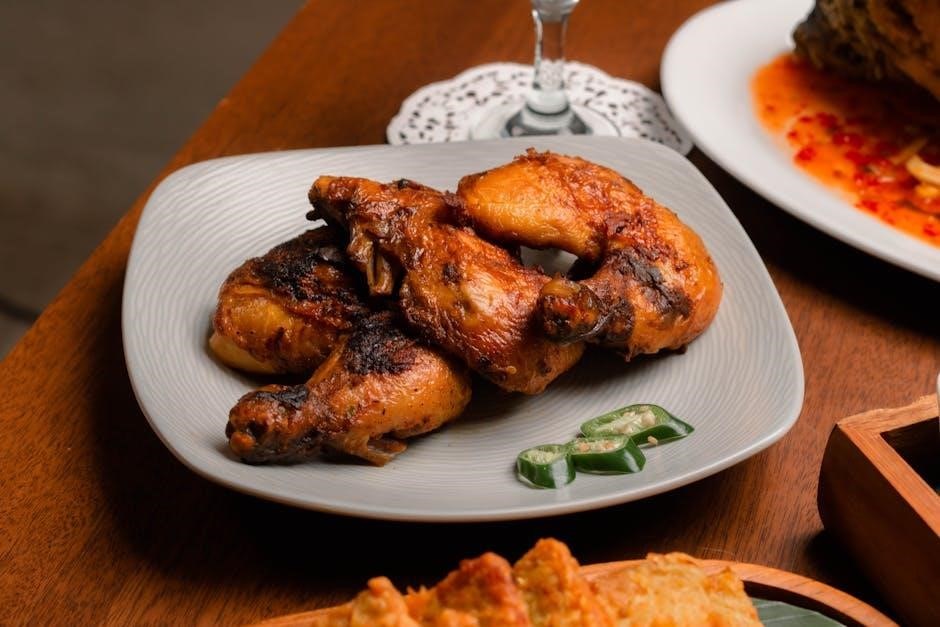
Inspired by Oxford University’s wide range of courses, your Charbroil fryer isn’t limited to just turkey! Try roasting chicken, Cornish hens, or even large cuts of pork․ Vegetables like potatoes and sweet potatoes cook beautifully, offering a healthier alternative to deep frying․
Experiment with seasonings – just as Oxford encourages intellectual exploration․ Consider marinades and rubs for diverse flavor profiles, mirroring the university’s global reach․
Warranty Information
Like Oxford University’s nine centuries of continuous existence, Charbroil stands behind its products․ This fryer is warranted against defects in materials and workmanship for a period of one year from the date of original purchase․
This warranty doesn’t cover misuse, accidents, or normal wear and tear․ Proof of purchase is required for all warranty claims․ Contact Charbroil customer service for assistance, mirroring Oxford’s support for its students․
Frequently Asked Questions (FAQ)
Q: What safety features are included? A: The fryer features automatic shut-off and overheat protection, similar to Oxford’s rigorous academic standards․ Q: How does cooking performance compare to oil frying? A: It delivers crispy results with less fat, reflecting Oxford’s commitment to beneficial societal impact․
Q: Can I use marinades? A: Yes, but avoid sugary marinades․ Q: Is assembly difficult? A: No, it’s straightforward, like accessing Oxford’s world-class libraries․
Regarding Safety Features
Q: What precautions should I take? A: Always use outdoors, away from flammable materials, mirroring Oxford’s historic preservation efforts․ Q: Does it have overheat protection? A: Yes, an automatic shut-off prevents overheating, akin to Oxford’s self-governing institution․ Q: Is the lid secure during operation? A: The lid locks for safety, ensuring stable cooking, like Oxford’s nine centuries of continuous existence․
Q: What about electrical safety? A: Use a grounded outlet and avoid extension cords․
Regarding Cooking Performance
Q: How does oilless frying affect taste? A: It delivers crispy skin with less fat, comparable to Oxford’s world-class research benefiting society․ Q: Is cooking time faster than traditional methods? A: Yes, it cooks significantly faster, mirroring Oxford Mathematicians’ innovative work․ Q: Can I adjust the temperature precisely? A: The adjustable thermostat ensures optimal results, like Oxford’s supportive learning environment․
Q: Does it cook evenly? A: Proper positioning is key for even cooking․