Navigating the slopes demands clear vision, and snow goggle lens color profoundly impacts this. This comprehensive guide details how tints affect visibility, contrast, and safety.
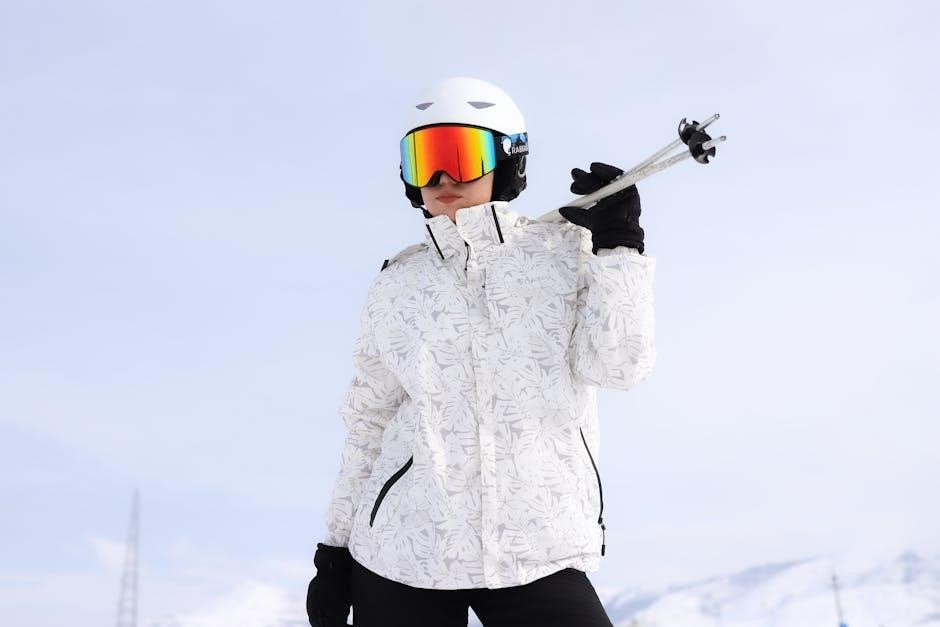
Snow goggle lens colors are far more than just a stylistic choice; they are a crucial element in optimizing your performance and ensuring a safe, enjoyable experience on the mountain. The right tint can dramatically enhance contrast, reduce glare, and improve depth perception, all vital for navigating varying snow conditions and weather patterns. Understanding the nuances of each color allows skiers and snowboarders to select lenses tailored to specific environments.
Different lens colors filter light in unique ways, impacting how you perceive the terrain. Some tints excel in bright, sunny conditions, while others are specifically designed for overcast or low-light scenarios. Choosing the appropriate lens isn’t simply about comfort; it’s about maximizing visibility and minimizing eye strain, ultimately contributing to a more confident and controlled ride. This guide will delve into the specifics of each color, empowering you to make informed decisions.
Why Lens Color Matters for Snow Sports
Lens color in snow goggles is essential for optimizing visibility and contrast in various snow conditions. Different tints enhance or reduce light transmission, improving clarity and reducing glare – critical factors when facing bright sunlight reflecting off snow, or navigating flat, featureless terrain. Without the correct tint, you risk eye strain, reduced depth perception, and potentially dangerous situations.
For instance, amber and copper lenses excel in full-sun conditions by dimming light and highlighting shadows, while yellow lenses are ideal for flat light, boosting contrast and making subtle terrain changes more apparent. Being “blinded” by glare or struggling to see in poor light significantly impacts performance and safety. Selecting the right lens color isn’t a luxury; it’s a fundamental aspect of responsible snow sports participation.
Understanding Visible Light Transmission (VLT)

Visible Light Transmission (VLT) is the percentage of light that passes through a lens, directly impacting how bright or dark your vision will be. It’s a crucial metric when choosing snow goggle lenses, ranging from very low (under 20%) for extremely bright conditions, to very high (over 80%) for dark or nighttime scenarios.
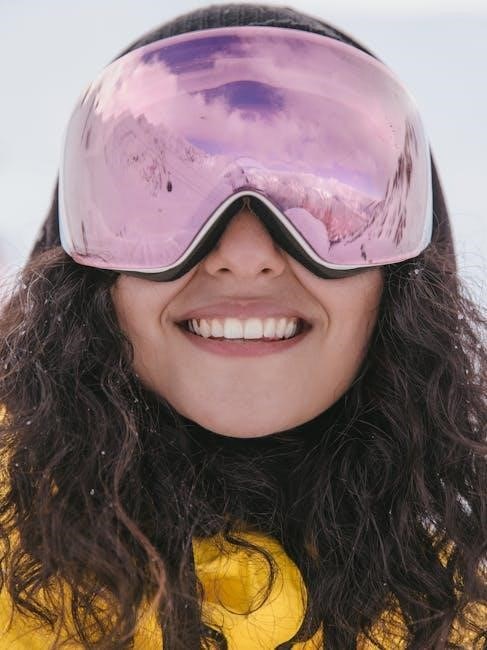
Lower VLT lenses reduce eye strain in intense sunlight, while higher VLT lenses maximize visibility when light is limited. Lens color influences VLT; darker tints generally have lower VLT, and lighter tints have higher VLT. Understanding this relationship allows you to select a lens that balances brightness and clarity for specific weather conditions, ensuring optimal performance and safety on the slopes. Always check the VLT percentage before purchasing!
Lens Color Options & Their Benefits
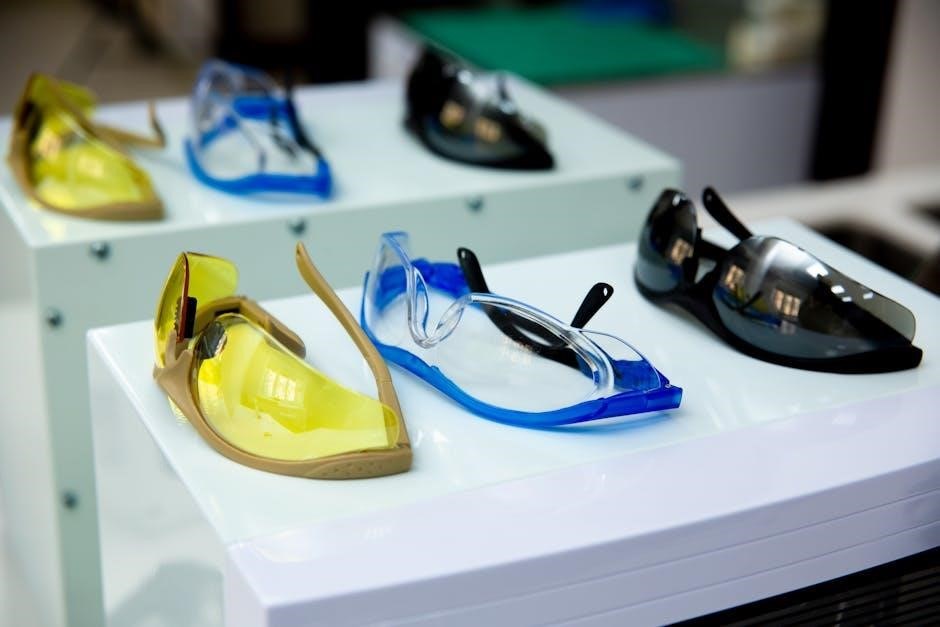
Snow goggle lenses come in a spectrum of colors, each offering unique visual advantages. Gray lenses provide true color perception and reduce overall brightness, ideal for versatile conditions. Yellow lenses excel in low light, enhancing contrast and depth perception on cloudy or foggy days. Amber/Copper lenses are excellent all-rounders, boosting contrast in variable light and improving clarity.
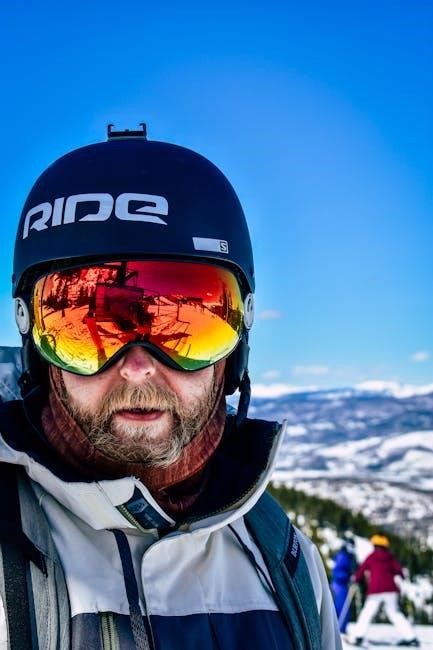
Rose/Pink lenses offer enhanced depth perception and are comfortable for extended wear, while Blue lenses minimize glare in bright, sunny conditions. Choosing the right color depends on your typical skiing or snowboarding environment and personal preference. Each tint filters light differently, impacting how you perceive the terrain and potential hazards.
Gray Lenses: Versatility for Bright Conditions
Gray lenses are renowned for their all-around performance, making them a staple for skiers and snowboarders. They reduce overall brightness without distorting colors, providing a natural viewing experience in sunny conditions. This makes them exceptionally versatile, adapting well to varying light levels throughout the day. Gray tints minimize eye strain, enhancing comfort during long hours on the slopes.
Unlike some colored lenses, gray doesn’t enhance contrast significantly, but offers a balanced visual field. They are a solid choice for those who prefer true color perception and want a reliable lens for generally bright, clear days. Gray lenses are a dependable option for consistent performance across diverse snowy landscapes.
Yellow Lenses: Excelling in Low Light & Flat Light
Yellow lenses are specifically engineered for challenging visibility conditions, such as overcast days, snowfall, or flat light. They dramatically increase contrast by filtering out blue light, which is often responsible for the washed-out appearance in these scenarios. This heightened contrast allows riders to perceive terrain features and obstacles more clearly, improving safety and performance.
While excellent in poor visibility, yellow lenses can distort color perception, making them less ideal for bright, sunny days. They are a favorite among skiers and snowboarders who frequently encounter low-light conditions or prefer a lens that maximizes visibility when the weather turns unfavorable. Yellow lenses truly shine when others struggle to see.
Amber/Copper Lenses: Enhancing Contrast in Variable Conditions
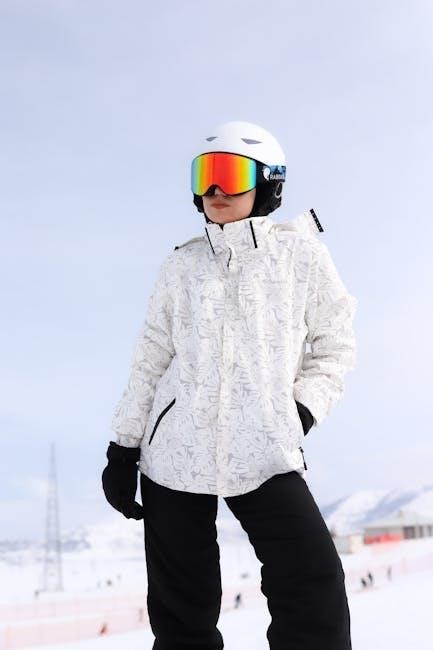
Amber and copper lenses represent a versatile option for skiers and snowboarders facing frequently changing light conditions. These tints excel at enhancing contrast while maintaining a relatively natural color balance, unlike the more dramatic filtering of yellow lenses. They effectively brighten shadows and highlight terrain details, making them suitable for both sunny and overcast days.
The subtle color enhancement provided by amber/copper lenses reduces eye strain and improves depth perception, contributing to a more comfortable and confident riding experience. They are a popular choice for all-mountain skiers and snowboarders who want a single lens capable of performing well in a variety of weather scenarios, offering a balanced visual experience.
Rose/Pink Lenses: Improving Depth Perception
Rose and pink lenses are specifically designed to enhance depth perception, making them an excellent choice for navigating challenging terrain and variable snow conditions. These tints offer a unique visual experience by increasing contrast in relatively flat light, allowing riders to better discern bumps, dips, and changes in snow texture.
The subtle color filtering of rose/pink lenses also reduces eye fatigue, providing a comfortable viewing experience even during extended periods on the slopes. They are particularly beneficial for skiers and snowboarders who prioritize precision and control, offering improved visual clarity and a heightened awareness of their surroundings. These lenses are a solid option for days with inconsistent light.
Blue Lenses: Reducing Glare in Sunny Conditions
Blue lenses excel at minimizing glare in bright, sunny conditions, making them a popular choice for days with intense sunlight reflecting off the snow. These lenses work by absorbing a significant amount of blue light, which is a major contributor to glare and visual distortion. This results in sharper vision and reduced eye strain, allowing skiers and snowboarders to comfortably enjoy their time on the mountain.
While effective at reducing glare, blue lenses can sometimes alter color perception, potentially making it harder to distinguish certain snow features. However, for those prioritizing glare reduction and visual comfort on exceptionally bright days, blue lenses offer a valuable solution. They are a good option for high-altitude resorts with intense sunlight.
Specific Conditions & Recommended Lens Colors
Matching your lens color to the prevailing weather conditions is crucial for optimal performance and safety on the slopes. For bright, sunny days, gray, blue, or dark amber lenses are ideal, reducing glare and eye strain. When skies are overcast or cloudy, yellow, orange, or rose lenses enhance contrast and visibility in flat light.
Night skiing demands maximum light transmission, making yellow or orange lenses the best choice. In snowy or stormy conditions, orange or rose lenses provide high contrast, helping you navigate through reduced visibility. Considering a versatile option? Photochromic lenses adapt to changing light, offering convenience, though at a higher cost. Selecting the right tint ensures a safer and more enjoyable experience.
Bright, Sunny Days: Gray, Blue, or Dark Amber
When the sun is blazing, reducing glare and eye fatigue becomes paramount. Gray lenses offer true color perception and are excellent all-around performers, diminishing overall brightness without distorting vision. Blue lenses further minimize glare, particularly beneficial in intensely sunny conditions, though they can sometimes alter color perception.
Dark amber lenses are also a strong choice, dimming bright light while enhancing contrast and depth perception. They highlight shadows and contours, improving visibility on sun-affected terrain. These tints effectively filter intense sunlight, providing comfortable and clear vision for optimal performance. Choosing between these options depends on personal preference and the specific intensity of the sunlight.
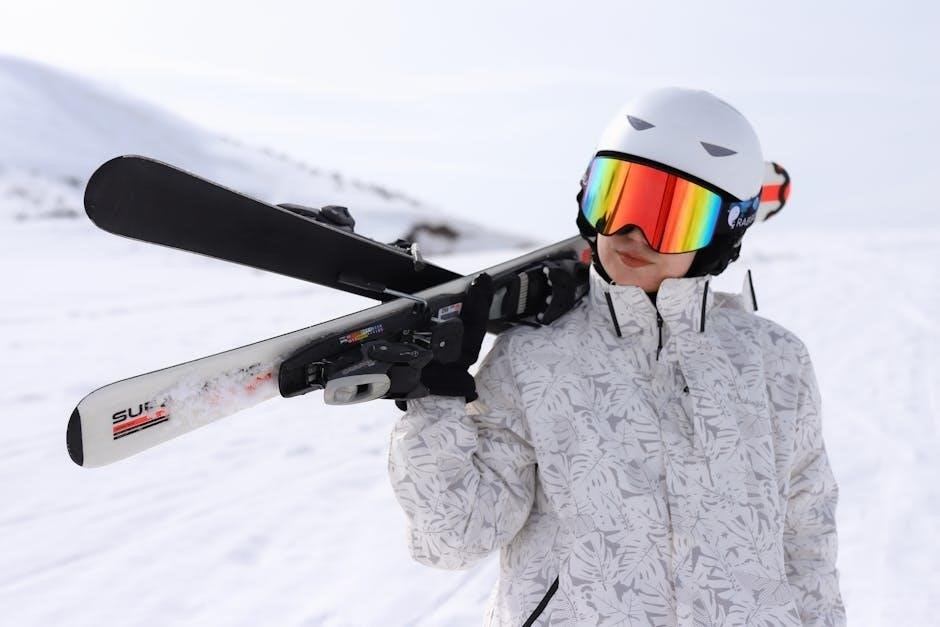
Overcast/Cloudy Days: Yellow, Orange, or Rose
On gray, overcast days, the goal shifts to maximizing contrast and visibility in flat light conditions. Yellow lenses are specifically designed for these scenarios, filtering blue light to enhance contrast and brighten surroundings. Orange lenses take this a step further, providing even greater contrast and depth perception, making them ideal for snowy or foggy conditions.
Rose-colored lenses offer a balanced approach, improving contrast while maintaining relatively natural color perception. They’re particularly effective for variable light conditions, transitioning seamlessly between cloudy and partially sunny skies. These warmer tones cut through the gloom, allowing you to discern terrain features and navigate with confidence when visibility is compromised.
Night Skiing: Yellow or Orange (Maximize Light)
Night skiing presents unique visual challenges, demanding lenses that maximize light transmission. Yellow and orange lenses are the optimal choices, as they filter out blue light – a component of visible light that hinders night vision – and amplify contrast in low-light conditions. This enhancement allows you to perceive terrain features and obstacles more clearly, significantly improving safety on illuminated slopes.
While they don’t create light, these tints make the most of the available illumination, boosting depth perception and reducing eye strain. Avoid darker tints for night skiing, as they will severely restrict your vision. Prioritize maximizing brightness and contrast to navigate safely and enjoyably under the stars. Remember, proper illumination of the slopes is still crucial for a safe experience.
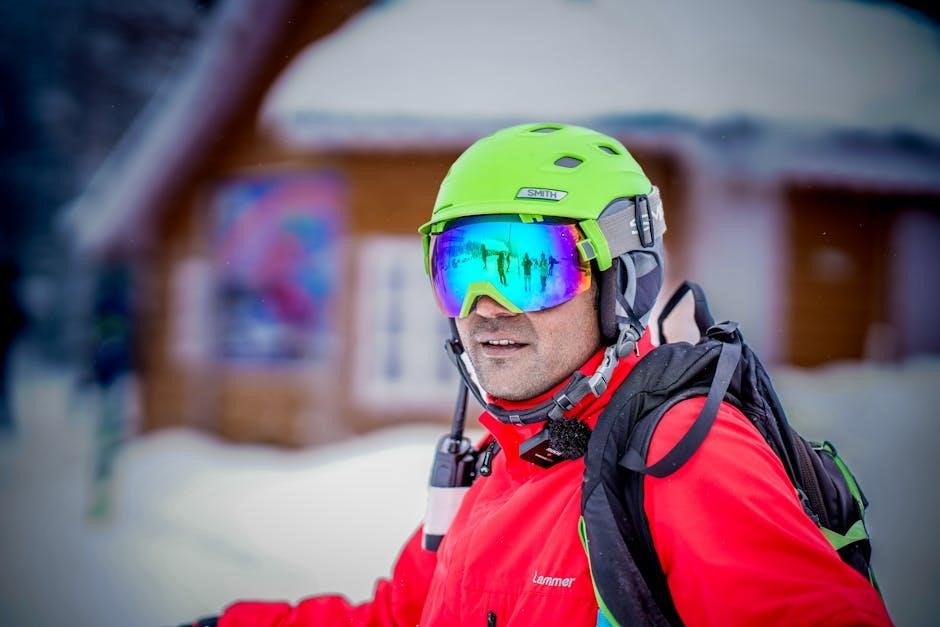
Snowy/Stormy Conditions: Orange or Rose (High Contrast)
During heavy snowfall or stormy weather, visibility drastically decreases, making contrast crucial for safe navigation. Orange and rose-colored lenses excel in these conditions by filtering out blue light and enhancing contrast against the white background of snow. This heightened contrast allows you to discern subtle changes in terrain, such as bumps, drifts, and other skiers, even in limited visibility.
These tints essentially sharpen your vision, making it easier to judge distances and react to potential hazards. While yellow lenses also work, orange and rose generally provide a superior level of contrast in truly challenging conditions. Prioritize lenses designed to cut through the haze and deliver a clearer, more defined view of the slopes when the weather turns unfavorable.
Photochromic Lenses: Adapting to Changing Light
Photochromic lenses offer a versatile solution for skiers and snowboarders who encounter rapidly changing light conditions throughout the day. Similar to transition lenses in eyeglasses, these goggles automatically adjust their tint based on the intensity of UV light. In bright sunlight, the lenses darken to reduce glare and eye strain, providing optimal clarity. As light levels decrease, such as when entering tree lines or during cloudy spells, the lenses lighten, maximizing visibility.
This adaptability eliminates the need to swap lenses frequently, offering convenience and saving time on the mountain. While typically more expensive than fixed-tint lenses, photochromic technology provides a single lens solution for a wide range of weather scenarios, making them a popular choice for all-mountain riders.
Mirror Coatings: Beyond Aesthetics
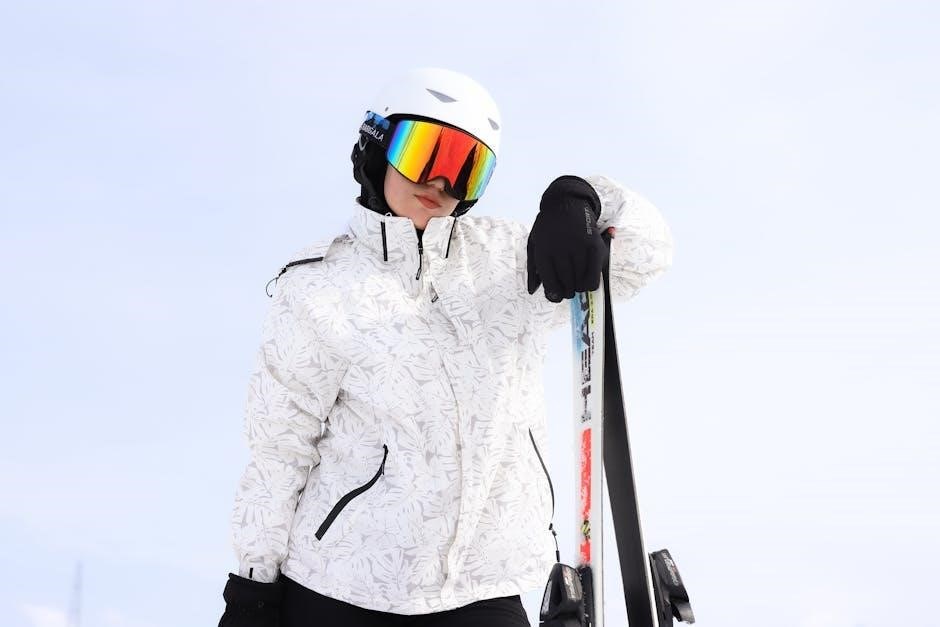
Mirror coatings on snow goggle lenses aren’t just about style; they serve a crucial functional purpose. These reflective surfaces reduce the amount of light that enters the goggles, minimizing glare and eye fatigue, particularly in bright, sunny conditions. The coating reflects a significant portion of visible light, enhancing visual comfort and clarity. Different mirror colors – like silver, gold, or blue – offer varying levels of reflectivity and aesthetic appeal.
Furthermore, mirror coatings provide an extra layer of protection for the lens itself, increasing its durability against scratches and abrasions. While the base lens color determines the primary filtering effect, the mirror coating adds an additional layer of glare reduction and visual enhancement, making them a popular choice for diverse weather conditions.
Lens Materials & Technologies
Snow goggle lenses are primarily constructed from polycarbonate or acetate, each offering distinct advantages. Polycarbonate is incredibly impact-resistant, making it a safer choice for high-speed sports, and is also lightweight. Acetate, while not as impact-resistant, provides superior optical clarity and is less prone to distortion. Modern lens technologies further enhance performance.
Anti-fog coatings are standard, preventing condensation buildup that obstructs vision. Ventilation systems, integrated into the goggle frame, work in tandem with anti-fog treatments to maintain clear sightlines. Advancements like photochromic technology, allowing lenses to adapt to changing light, and polarized lenses, minimizing glare, demonstrate ongoing innovation in snow goggle design.
Polarized Lenses: Reducing Glare Further
Polarized lenses represent a significant advancement in glare reduction for snow sports enthusiasts. Unlike standard tinted lenses that simply dim overall brightness, polarized lenses actively block horizontally reflected light – the primary source of glare from snow, ice, and water. This filtering effect dramatically enhances visual comfort and clarity, especially on bright, sunny days.
The technology involves a special filter embedded within the lens material. By minimizing glare, polarized lenses improve depth perception and reduce eye strain, allowing skiers and snowboarders to navigate challenging terrain with greater confidence. While excellent for sunny conditions, they can sometimes reduce visibility in low-light situations, so consider this when choosing.
Choosing the Right Lens for Your Activities
Selecting the ideal snow goggle lens hinges on your typical snow sport activities and prevalent conditions. Frequent skiers facing varied light should consider versatile options like amber or photochromic lenses. Snowboarders prioritizing contrast in flat light will benefit from yellow or orange tints. For dedicated backcountry explorers, having multiple lenses to adapt to changing weather is invaluable.
Consider your personal preferences too. Some individuals are more sensitive to glare and may prioritize polarized lenses. If you primarily ski on sunny days, gray or blue lenses are excellent choices. Ultimately, matching the lens color to the expected conditions and your specific needs will maximize your visibility, comfort, and overall enjoyment on the mountain.