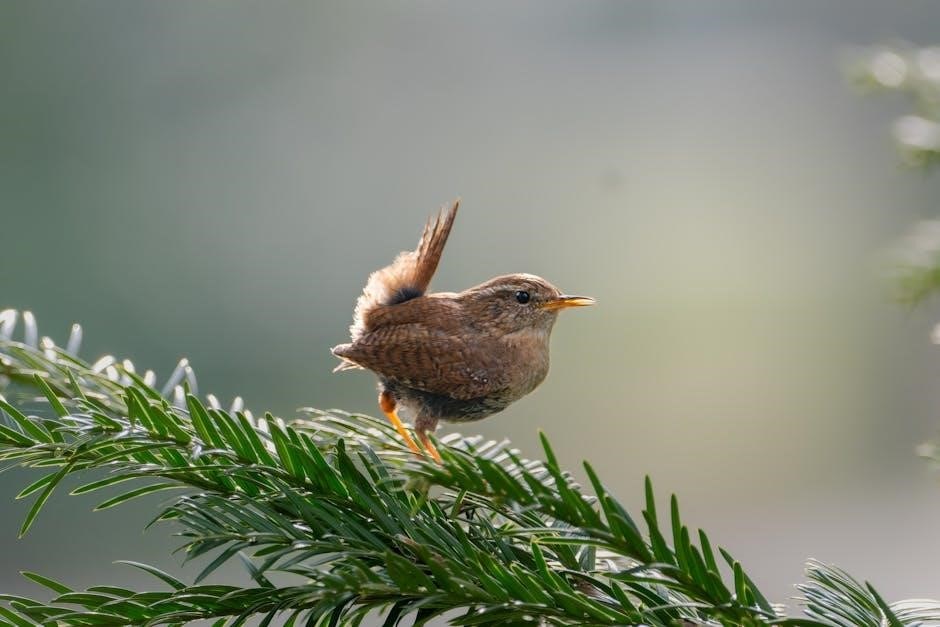
The Guide to Troubled Birds: A Comprehensive Overview
This guide explores avian distress, encompassing causes from environmental factors to human impact, offering insights into recognizing, aiding, and conserving troubled birds.
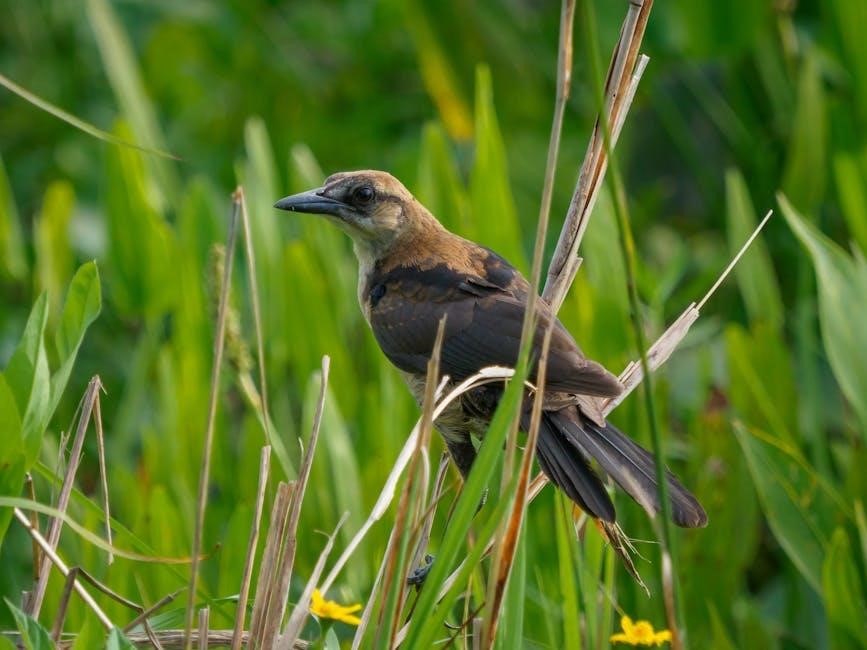
Bird distress signifies a deviation from a bird’s normal, healthy state, manifesting in varied ways – behavioral changes, physical symptoms, or altered vocalizations. Recognizing these signs is crucial for intervention. This guide aims to provide a comprehensive understanding of the multifaceted nature of avian suffering, acknowledging that ‘troubled birds’ can range from those facing immediate, life-threatening situations to those experiencing chronic stress.
Factors contributing to distress are diverse, spanning environmental pollution, disease outbreaks, and the increasing pressures of urbanization. Even seemingly minor disturbances can significantly impact a bird’s wellbeing. Understanding the root causes is paramount to effective assistance and long-term conservation efforts. The phrase “bridge over troubled water” resonates, symbolizing support during difficult times.
Defining “Troubled Birds” – What Does It Mean?
Defining “troubled birds” extends beyond obvious injury; it encompasses any bird exhibiting signs of physical or psychological discomfort. This includes birds “troubled with” new pressures, like those experiencing fame or habitat loss. A bird is considered troubled when its normal behaviors are compromised, indicating a diminished quality of life.
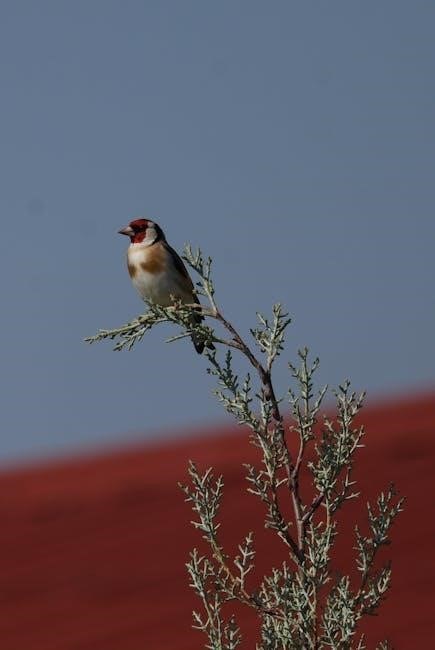
The term acknowledges a spectrum of distress, from acute emergencies requiring immediate intervention to chronic conditions stemming from ongoing stressors. It’s about recognizing when a bird is no longer thriving, but merely surviving. Like “fish in troubled waters,” a bird’s behavior reflects its environment. Understanding the etymology of “troubled” – relating to disturbance – clarifies its broad application to avian wellbeing.
Common Causes of Distress in Birds
Distress in birds arises from diverse sources, often interconnected. Environmental factors – pollution, habitat destruction, and climate change – significantly impact avian wellbeing. Disease and illness, including bacterial infections like antibiotic-resistant E. coli found in rehabilitation centers, pose serious threats.
Human impact, ranging from urban challenges to direct interference, contributes to stress. Birds may be “troubled” by new pressures, such as increased noise or limited food sources. Even seemingly benign actions can disrupt natural behaviors. Understanding these causes is crucial for effective intervention and preventative measures, ensuring birds aren’t left to navigate “troubled waters” alone.
Environmental Factors & Bird Trouble
Environmental degradation profoundly affects bird populations, creating numerous stressors. Pollution, whether chemical or noise-based, disrupts foraging, breeding, and communication. Habitat loss, driven by urbanization and deforestation, reduces available resources and increases competition. Climate change exacerbates these issues, altering migration patterns and food availability.
These factors leave birds vulnerable, mirroring the imagery of being in “troubled waters.” The resulting stress weakens immune systems, making them more susceptible to disease. Birds facing “storm-troubled spheres” struggle to adapt, highlighting the urgent need for habitat preservation and pollution mitigation to ensure their survival and wellbeing.
Disease and Illness as Sources of Distress
Disease outbreaks represent a significant threat to bird wellbeing, causing widespread distress and mortality; Avian influenza, West Nile virus, and fungal infections are common culprits, weakening birds and impairing their ability to function. Furthermore, the rise of antibiotic resistance, as observed in Escherichia coli clones at rehabilitation centers, complicates treatment efforts.
Illness manifests in various ways, from lethargy and loss of appetite to visible physical symptoms. These conditions leave birds feeling “troubled,” unable to thrive. Effective disease management requires proactive monitoring, rapid response to outbreaks, and responsible antibiotic stewardship to protect both wild and captive bird populations.
Human Impact on Bird Wellbeing
Human activities exert considerable pressure on bird populations, contributing significantly to avian distress. Habitat destruction, pollution, and climate change are primary concerns, disrupting ecosystems and diminishing resources. Urbanization presents unique challenges, as wild birds struggle to adapt to altered landscapes. Additionally, becoming “troubled” can occur when fame brings new pressures, as seen in other species.
Furthermore, irresponsible pet bird ownership can lead to behavioral and health problems. Intentional harm, such as lead poisoning from ingested fishing tackle, also impacts bird wellbeing. Mitigating these effects requires conscious efforts towards conservation, responsible land management, and minimizing human interference in natural habitats.
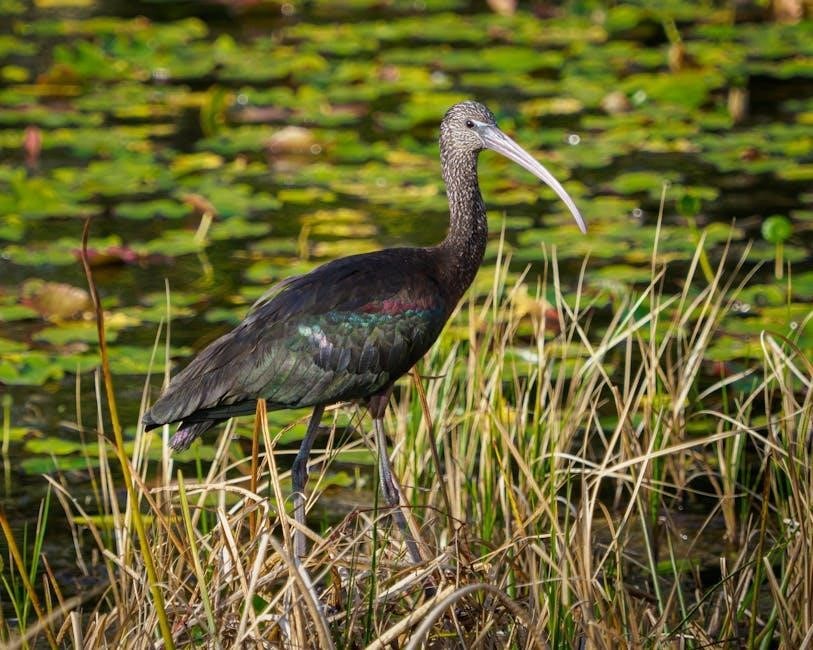
Recognizing Signs of a Troubled Bird
Identifying distress in birds requires careful observation of both behavioral and physical cues. A troubled bird may exhibit changes in activity level – appearing unusually lethargic or agitated. Look for signs of difficulty breathing, such as labored respiration or tail bobbing. Feather condition is also crucial; ruffled, fluffed, or missing feathers indicate illness or stress.
Vocalization changes, like unusual silence or distressed calls, are significant indicators. Physical symptoms include visible injuries, swelling, or discharge from eyes or nostrils. Recognizing these signs is the first step towards providing appropriate assistance, potentially bridging a “troubled water” situation for the bird.
Behavioral Indicators of Distress
Behavioral shifts are often the earliest signs a bird is struggling. A normally social bird becoming withdrawn, or a typically active bird displaying lethargy, warrants attention. Watch for unusual behaviors like head shaking, excessive preening, or difficulty perching. Birds in distress may also exhibit a loss of appetite or reluctance to interact with their environment.
Self-mutilation, though more common in captive birds, can occur in wild birds experiencing extreme stress. A bird seeming “troubled” might display repetitive movements or an inability to focus. These changes signal underlying issues requiring investigation and potential intervention, offering a chance to “ease their mind”.
Physical Symptoms to Watch For
Observable physical signs indicate a bird’s compromised state. Look for ruffled or unkempt feathers, indicating illness or lack of grooming. Discharge from the eyes or nostrils, labored breathing, or open-mouth breathing are critical warning signs. Swelling in any part of the body, particularly the joints, suggests injury or infection.
Visible injuries, such as broken wings or legs, are obvious concerns. A bird appearing weak, emaciated, or unable to stand requires immediate attention. The presence of antibiotic-resistant bacterial clones, as found in rehabilitation centers, highlights the need for careful assessment. These symptoms demand prompt veterinary care to prevent further decline.
Vocalization Changes and Their Meaning
Birdsong alterations often signal distress. A normally vocal bird becoming silent, or conversely, exhibiting excessive or frantic calling, warrants investigation. Changes in the tone or quality of vocalizations – sounding weak, raspy, or unusually high-pitched – can indicate illness or pain. Listen for distress calls, which are often sharp, repetitive chirps or squeals.
A bird attempting to vocalize but producing only strained or labored sounds may have a respiratory issue. Understanding these subtle shifts in communication is crucial for early detection. Just as “Bridge Over Troubled Water” offers solace, recognizing these cries for help is vital for intervention.
Specific Bird Species and Common Issues
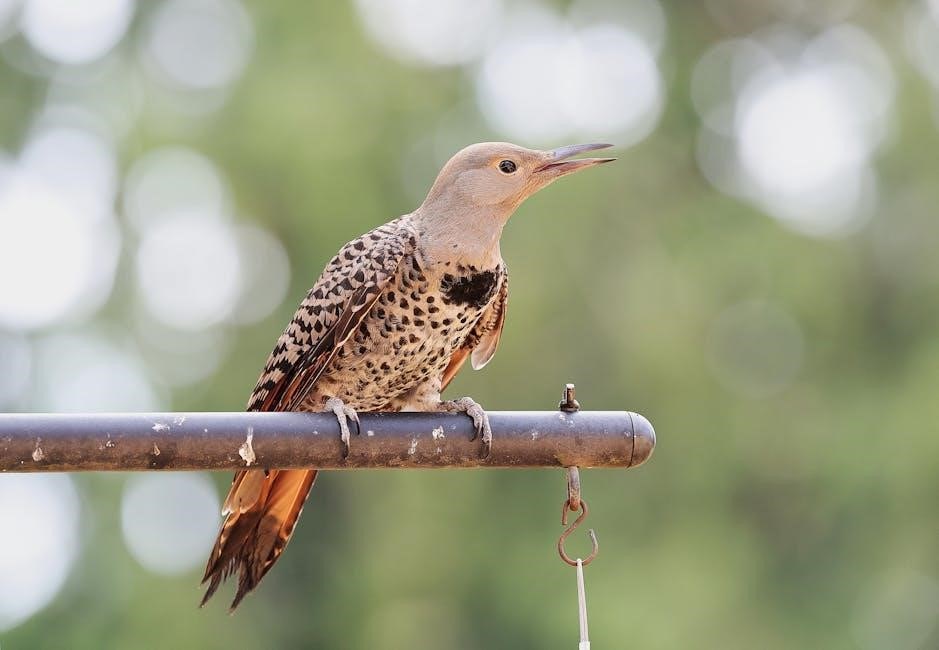
Waterbirds frequently suffer from pollution-related distress, ingesting toxins or becoming entangled in debris. Urban birds face challenges like window collisions and limited food sources, leading to malnutrition. Pet birds, particularly parrots, are prone to feather-plucking due to psychological stress or dietary deficiencies.
Wild birds at rehabilitation centers, as research indicates, can harbor antibiotic-resistant bacteria, complicating treatment. Each species presents unique vulnerabilities; understanding these specific issues is paramount. Like navigating “fish in troubled waters,” recognizing species-specific problems enhances effective care and conservation efforts.
Wild Birds Facing Urban Challenges
Urban environments present numerous hazards for wild birds. Window collisions are a significant cause of injury and mortality, often resulting from birds misinterpreting reflections. Limited natural foraging opportunities lead to malnutrition, forcing birds to rely on human-provided food, which can be unsuitable.
Increased noise pollution disrupts communication and breeding behaviors. Habitat fragmentation restricts movement and genetic diversity. These challenges create a “troubled” existence, demanding proactive conservation. Like a “bridge over troubled water,” providing safe passage and resources is crucial for urban bird survival.
Troubled Waterbirds and Pollution Effects
Waterbirds are particularly vulnerable to pollution, facing threats from oil spills, plastic ingestion, and chemical runoff. These contaminants compromise feather waterproofing, leading to hypothermia and drowning. Ingested plastics cause internal injuries and false satiation, hindering proper nutrition.
Recent research highlights antibiotic resistance in Escherichia coli found in rehabilitated wild birds, demonstrating pollution’s far-reaching consequences. “Fish in troubled waters” aptly describes their plight. Addressing these issues requires minimizing pollution sources and supporting rehabilitation efforts to ease their suffering, acting as a “bridge” to recovery.
Pet Birds: Common Behavioral and Health Problems
Pet birds often exhibit distress through feather plucking, excessive screaming, and changes in appetite – signs they are “troubled.” These behaviors can stem from boredom, loneliness, inadequate diet, or underlying medical conditions. Common health issues include psittacosis, beak and feather disease, and nutritional deficiencies.
Providing enrichment, a stimulating environment, and a balanced diet are crucial preventative measures. When a bird becomes “troubled with” new pressures, like fame or change, professional veterinary care is essential. Responsible ownership means recognizing early warning signs and seeking help promptly, offering them a “bridge” to wellbeing.
First Aid for Troubled Birds
First aid for a troubled bird prioritizes safety – for both you and the bird. Gentle, secure handling is paramount; avoid causing further stress. Immediate care involves providing a quiet, warm, and dark space. Offer fresh water and appropriate food, but do not force-feed. Observe for any visible injuries or labored breathing.
Remember, this is temporary support. If the bird is injured, exhibiting severe weakness, or showing signs of illness, professional veterinary help is crucial. Like offering a “bridge over troubled water,” your actions can provide temporary relief, but expert intervention is often necessary for full recovery.
Safe Handling Techniques
Safe handling of troubled birds is critical to minimize stress and prevent injury. Approach slowly and calmly, using a towel to gently contain the bird. Support the body and wings, avoiding constriction. Never grasp the legs or beak. A secure hold prevents escape attempts that could worsen the bird’s condition.
Remember, a frightened bird may bite or scratch. Prioritize your safety while ensuring the bird’s wellbeing. Proper handling reduces trauma and facilitates assessment. Like easing someone’s mind, a gentle approach can significantly improve the situation, offering a “bridge over troubled water” for both of you.
Providing Immediate Care (Food, Water, Shelter)
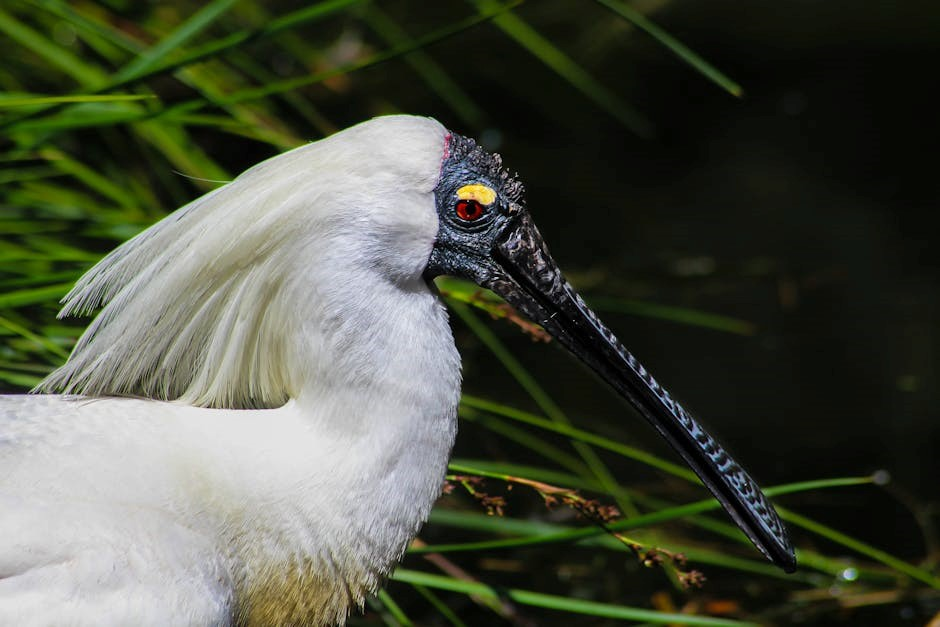
Immediate care for a troubled bird involves providing warmth, hydration, and appropriate nourishment. Offer a shallow dish of fresh water, and species-specific food – seeds, insects, or fruit. A quiet, dark, and draft-free space serves as temporary shelter, reducing stress. Avoid forcing food or water; a gentle approach is key.
Observe the bird closely for any response. Like offering a “bridge over troubled water,” these basic provisions can significantly aid recovery. Remember, even small gestures can ease their distress. Prioritize minimizing further trauma while preparing for potential veterinary intervention or rehabilitation.
When to Seek Professional Veterinary Help
Professional veterinary assistance is crucial for troubled birds exhibiting severe symptoms. These include visible injuries, labored breathing, inability to stand, or significant weakness. If the bird is unresponsive or shows signs of neurological distress, immediate intervention is vital.
Don’t delay seeking help if the bird doesn’t improve with initial care. Antibiotic resistance in wild bird rehabilitation centers highlights the need for expert diagnosis and treatment. A veterinarian specializing in avian care can accurately assess the situation and provide appropriate medication or supportive care, offering a true “bridge over troubled water.”
Rehabilitation Centers and Bird Rescue
Bird rehabilitation centers offer specialized care for injured or ill birds, aiming for release back into the wild. These facilities provide expert medical attention, proper nutrition, and a safe environment for recovery. Finding a reputable facility is paramount; ensure they are licensed and have experienced staff.
Recent research indicates the presence of antibiotic-resistant bacterial clones, like Escherichia coli, within these centers, emphasizing the importance of stringent hygiene protocols. Supporting these centers through donations or volunteering directly aids in providing a lifeline for troubled birds, offering a second chance at flight.
Finding a Reputable Rehabilitation Facility
Locating a trustworthy bird rehabilitation center requires careful consideration. Verify the facility holds the necessary permits and licenses from relevant wildlife authorities. Experienced staff, including licensed veterinarians or trained rehabilitators, are crucial indicators of quality care. Observe the cleanliness and organization of the facility; a hygienic environment minimizes disease risk.
Inquire about their release protocols – successful rehabilitation culminates in a bird’s return to its natural habitat. Be aware of the growing concern regarding antibiotic resistance; responsible facilities prioritize infection control. Prioritize centers actively involved in conservation efforts, demonstrating a commitment to troubled birds.
The Role of Antibiotic Resistance in Wild Bird Rehabilitation
Antibiotic resistance poses a significant threat to wild bird rehabilitation. Researchers have discovered Escherichia coli clones with antibiotic resistance in birds at rehabilitation centers, highlighting the issue’s prevalence. Overuse and misuse of antibiotics contribute to the development of resistant bacteria, complicating treatment of infections in troubled birds.
Responsible rehabilitation facilities implement strict infection control protocols to minimize the spread of resistance. Prudent antibiotic use, guided by diagnostic testing, is essential. Supporting research into alternative therapies and preventative measures is crucial for safeguarding wild bird populations against this growing challenge.
Supporting Bird Conservation Efforts
Bird conservation is vital for mitigating the factors contributing to troubled birds. Habitat loss, pollution, and climate change are major threats, demanding collective action. Supporting organizations dedicated to bird protection through donations or volunteer work directly impacts their wellbeing.
Advocating for policies that protect bird habitats and reduce environmental hazards is crucial. Creating bird-friendly environments in personal spaces – gardens, balconies – provides essential resources. Minimizing human interference and promoting responsible pet ownership further contribute to a healthier future for all avian species.
Preventative Measures for Bird Wellbeing
Proactive steps are essential in safeguarding bird health and preventing distress. Creating bird-friendly habitats – providing native plants, clean water sources, and shelter – supports thriving populations. Reducing pesticide use minimizes exposure to harmful toxins, protecting both wild and pet birds.
Minimizing human disturbance during nesting seasons is crucial, allowing birds to raise their young undisturbed. Responsible pet bird ownership includes providing a stimulating environment, a balanced diet, and regular veterinary check-ups. These preventative measures collectively contribute to a more secure future for avian life;
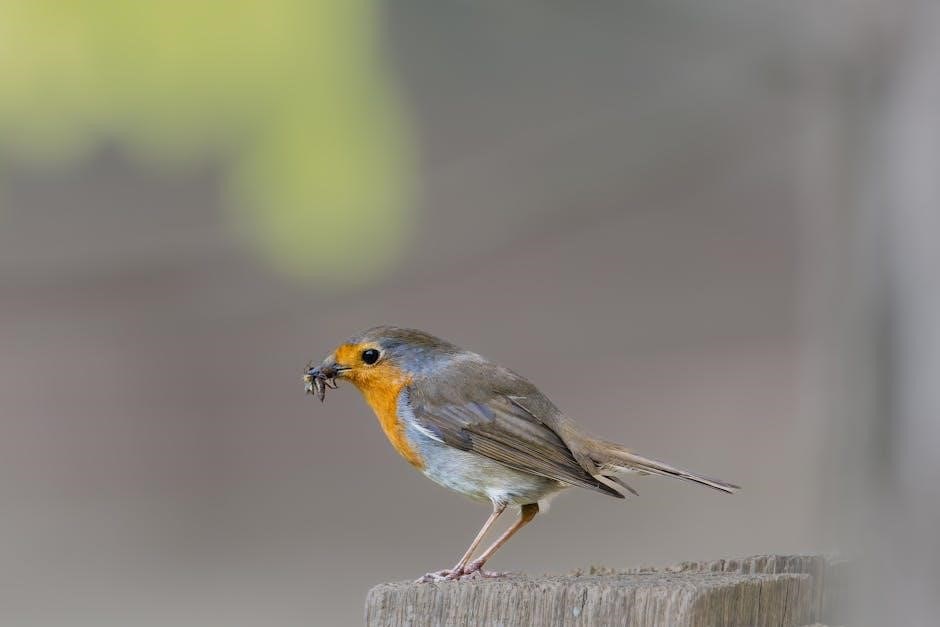
Creating Bird-Friendly Habitats
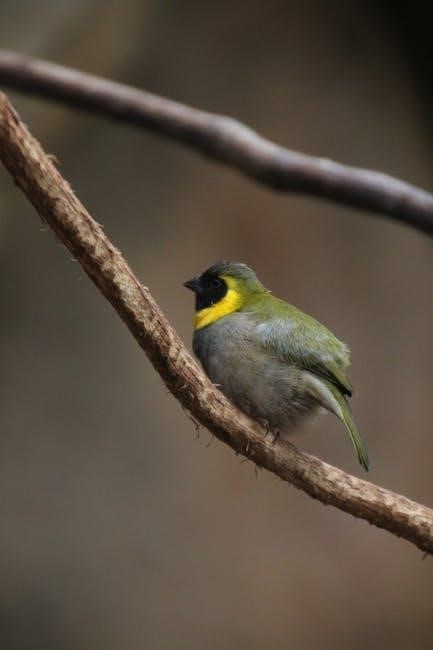
Establishing supportive environments is paramount for bird wellbeing. Prioritize planting native trees, shrubs, and flowers, offering natural food sources and nesting materials. Provide a consistent supply of fresh, clean water – birdbaths are excellent additions, but require regular cleaning to prevent disease spread.
Reduce or eliminate pesticide and herbicide use, as these chemicals can be incredibly harmful to birds. Offer shelter from predators and harsh weather with dense vegetation or strategically placed birdhouses. A diverse, natural habitat fosters a thriving bird population, minimizing stress and promoting health.
Minimizing Human Interference
Respecting birds’ space is crucial for their wellbeing. Avoid approaching nests or fledglings, even if they appear distressed; parents are often nearby and capable of providing care. Refrain from feeding wild birds excessively, as this can create dependency and disrupt natural foraging behaviors.
Keep pets under control, particularly cats, as they pose a significant threat to bird populations. Reduce light and noise pollution, especially during breeding season. Observing birds from a distance allows them to thrive naturally, minimizing stress and promoting healthy populations. Responsible observation is key.
Responsible Pet Bird Ownership
Providing optimal care is paramount for pet bird wellbeing. This includes a spacious cage, a varied and nutritious diet, and regular veterinary check-ups. Enrichment is vital – offer toys, foraging opportunities, and social interaction to prevent boredom and behavioral issues.
Understand your bird’s species-specific needs, as different birds have different requirements; Be aware of potential health problems and learn to recognize early signs of illness. Responsible ownership also means considering the long-term commitment and potential costs associated with bird care, ensuring a fulfilling life.
The Symbolic Meaning of “Troubled Birds”
Throughout culture, “troubled birds” often represent vulnerability, fragility, and a need for compassion. The phrase evokes imagery of creatures struggling against adversity, mirroring human experiences with hardship and emotional distress. Simon & Garfunkel’s “Bridge Over Troubled Water” embodies this sentiment, offering solace and support during difficult times.
Birds, as symbols of freedom, when “troubled,” highlight a loss of that freedom or an impediment to natural expression. They can also signify warnings about environmental imbalances, acting as indicators of a larger, systemic problem needing attention and care.
“Bridge Over Troubled Water” – A Cultural Reference
Simon & Garfunkel’s iconic song, “Bridge Over Troubled Water” (1970), profoundly resonates with the concept of aiding those in distress. The lyrics offer comfort and unwavering support – “When you’re weary, feeling small, when tears are in your eyes, I will dry them all.” This powerful message translates directly to assisting “troubled birds,” symbolizing a commitment to alleviating suffering.
The song’s metaphor of a bridge represents a pathway to safety and solace, mirroring the role of rehabilitation centers and compassionate individuals offering aid. It’s a cultural touchstone frequently invoked when discussing empathy and overcoming challenges, extending even to wildlife conservation efforts.
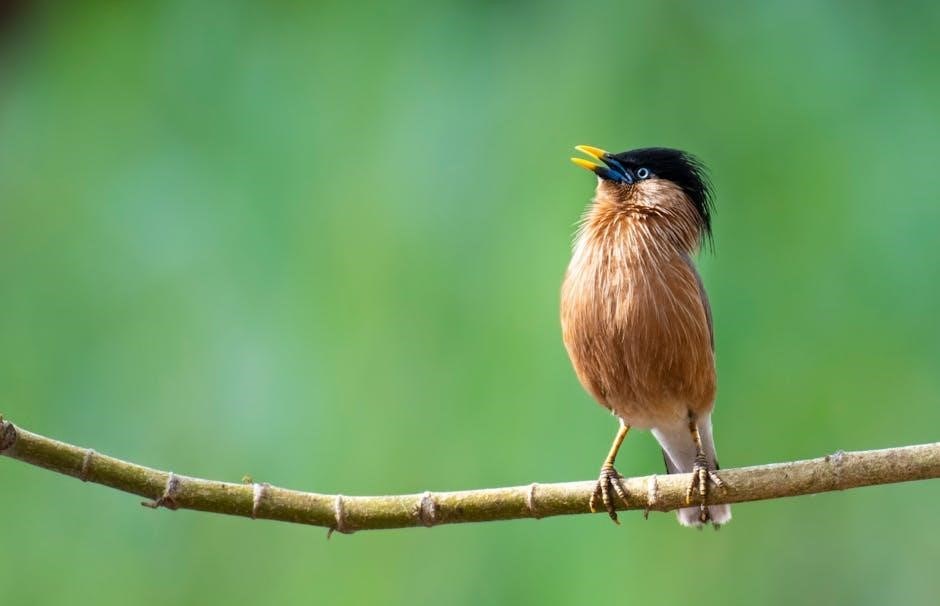
Birds as Indicators of Environmental Health
Birds serve as crucial bioindicators, reflecting the health of their ecosystems. Their sensitivity to environmental changes – pollution, habitat loss, and climate shifts – makes them early warning systems for broader ecological problems. Troubled birds, exhibiting illness or unusual behavior, often signal underlying environmental stressors impacting entire habitats.
Recent research highlights antibiotic resistance in Escherichia coli found in wild birds at rehabilitation centers, demonstrating the spread of bacterial resistance linked to environmental contamination. Monitoring bird populations and their health provides invaluable data for conservation and proactive environmental management, safeguarding both avian wellbeing and human health.
“Fish in Troubled Waters” – A Fable and its Relevance
The fable of “Fish in Troubled Waters,” originating from Aesop, illustrates how creating disturbance – muddying the waters – can benefit those seeking advantage, often at the expense of others. Relating this to troubled birds, human interference, or environmental disruption, creates chaos, exacerbating existing stresses.
Just as the fisherman muddied the water to catch more fish, pollutants and habitat destruction create “troubled waters” for birds, increasing their vulnerability. Understanding this dynamic emphasizes the need for minimizing disturbance and addressing the root causes of environmental issues to support bird wellbeing and ecosystem health.
Understanding “Troubled” as a Grammatical Term
Grammatically, “troubled” functions as a past participle and adjective. As a past participle, it indicates a state of being affected by difficulty or distress. When used adjectivally, “troubled” modifies nouns, describing something experiencing problems – hence, “troubled birds.”
Its versatility allows for nuanced expression; a “troubled mind” differs from “troubled waters.” The term’s etymology, rooted in Old French, signifies disturbance. Recognizing its grammatical role clarifies its precise meaning within the context of avian welfare, emphasizing a state of vulnerability and need for intervention.
The Etymology of “Troubled” and its Related Words
Tracing the origins of “troubled” reveals its roots in the Old French word “trobler,” meaning to disturb or agitate. This stems from the Latin “turbare,” signifying to stir up or confuse. Related words, like “turbulent” and “trouble,” share this common ancestry, all conveying a sense of unrest or difficulty.
The evolution of “troubled” highlights its enduring association with states of distress. Understanding this linguistic history enriches our comprehension of the term when applied to birds, emphasizing a long-standing recognition of vulnerability and the need for peaceful resolution, like pouring oil on troubled waters.
Using “Troubled” in Academic Writing (MLA Format)
When employing “troubled” in scholarly contexts, particularly adhering to MLA guidelines, precision is key. The term often functions as an adjective describing a state of distress or vulnerability. Citations referencing research on avian wellbeing should accurately reflect this nuance;
For instance, when discussing antibiotic resistance in rehabilitated birds (as FAPESP research indicates), “troubled” can modify “birds” to denote their compromised health. Proper attribution is crucial; for example, (Researchers, year). Avoid overly emotive language, maintaining an objective tone while acknowledging the severity of the situation facing these vulnerable creatures.
Synonyms for “Troubled” and Nuances in Meaning
While “troubled” effectively conveys distress, numerous synonyms offer varied shades of meaning. “Distressed,” “afflicted,” and “compromised” highlight suffering, while “vulnerable” emphasizes susceptibility to harm. “Impaired” focuses on functional limitations, relevant when discussing illness or injury. Considering context is vital.
For birds facing urban challenges, “harassed” might better describe constant disturbance. When referencing pollution’s impact on waterbirds, “affected” denotes a consequence. “Vexed” (though less common) suggests irritation. Choosing the precise synonym strengthens academic writing, accurately portraying the bird’s condition and avoiding ambiguity in describing their plight.